Search
29 results for “biobased” in materials
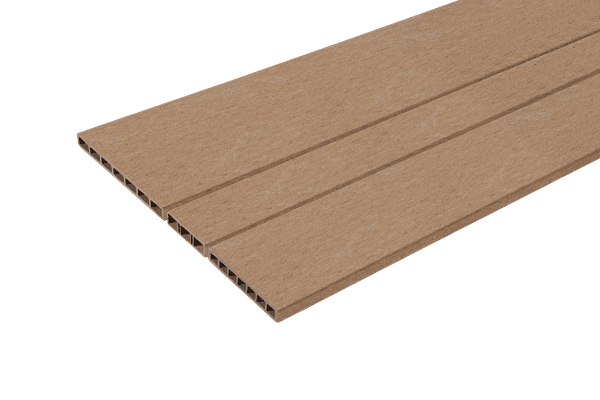
- RIWOOD Rice Husk CompositeRIWOOD is a premium biocomposite (RPC) material that redefines sustainability in outdoor and architectural applications. Developed by Fiberplast Group, this innovative product combines recycled rice husks and calcite with high-quality post production recycled PVC polymers to create a durable, low-maintenance, and eco-friendly alternative to traditional wood or pure plastic materials.
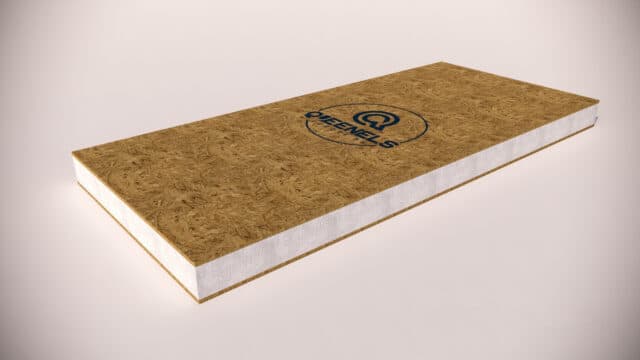
- Biobased SIP building systemQueenels Europe introduces a Modular and Circular Prefab Building System based on biobased SIPs (Structural Insulated Panel System). The SIPs consists of biobased insulation material and an inner- and outershell of OSB/3. The panel can be used for walls and roofs. The biobased insulation is made from sugar beet and sugar cane.
- Canvas – Biobased RugDonkersloot Biobased is a natural product that behaves organically. The natural flax fibre in the linen gives the carpet durability, longevity, sustainability and a pearly shine as time passes. In all its elegance, it contributes to a comfortable indoor air quality through the linen fibres, which can regulate humidity and are ideally suited for under-floor heating.
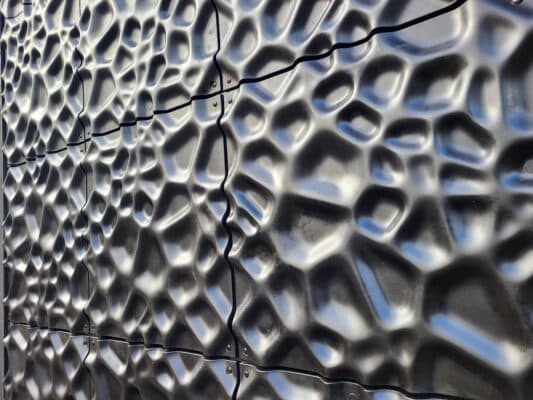
- Nabasco 8040 – Biobased FacadeNabasco develops structural biobased composite from regional residual biomass such as reed harvesting waste, combined with recycled mineral components. The result is a rigid, durable material engineered for exterior and technical applications. The panels are applied in 3D façades, housings for electrical systems, traffic signage and outdoor furniture. Contexts where structural integrity, weather resistance and regulatory compliance are essential.
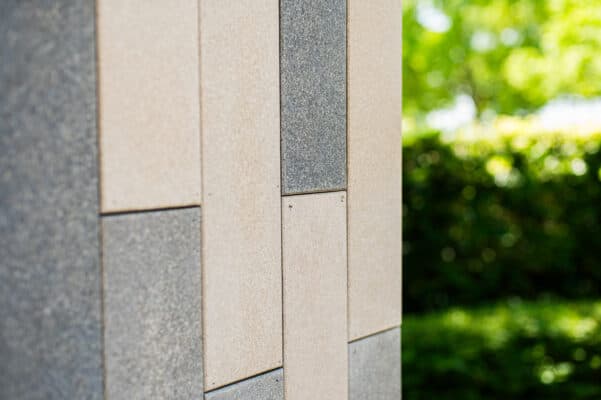
- Reduco Biobased Façade Panel – Willow CompositeReduco is a high-performance biobased façade material made from fast-growing European willow and plant-based binders. The panels are engineered as a fully circular alternative to conventional cladding, offering architects and builders a natural, durable, and technically reliable solution for contemporary construction.
- 100% Biobased Flax panelThese panels are made of flax fibers and a biobased glue, which makes it a 100% biobased material. The panels can be used for all kinds of interior use. It is an indispensable link in the chain of the flax industry because it uses its by-products and therefore is no waste of natural resources. Sizes up to 2500 x 150 mm, thickness 16 mm to 50 mm, density 320 kg/m3 up to 560 kg/m3.
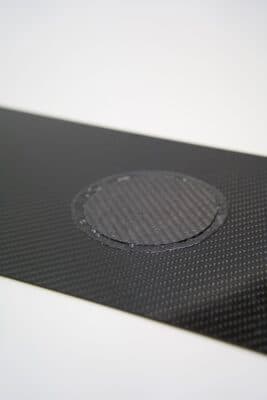
- Biobased debondable adhesiveConventional petroleum-based adhesives present environmental challenges due to their toxicity, limited recyclability, and reliance on finite resources. The BiDebA (BioBased Debondable Adhesives) Interreg NWE project evaluated the biobased material poly(lactic acid) as an alternative thermoplastic adhesive suited for the temporary patch repair of damaged composite-based aircraft structures in both Defense and civilian applications.
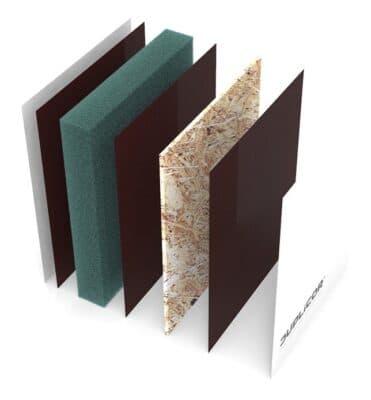
- Duplicor® biobased compositeDuplicor® is a fully bio-based composite (building) material. Manufactured from a 100% natural resin, virtually non-flammable, lightweight, CO2-saving and also affordable. Duplicor® bio-composite is made from bio-waste and in a sandwich construction with old PET bottles, which is used as insulating core material.
- Wool & biobased plastic CarpetDesigner Christien Meindertsma and natural fibre specialist Enkev have teamed up to create a material that combines the natural fibres of recycled wool with strong bioplastic fibres, making a new material that can be heat-pressed into various shapes. The Wool and Biobased carpet is a sustainable carpet.
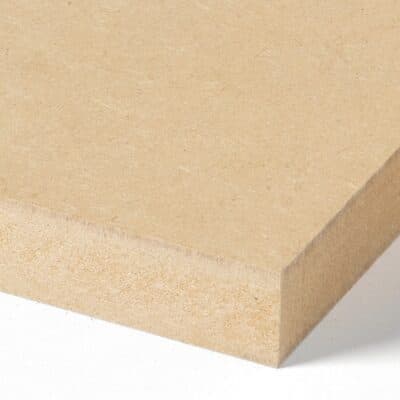
- Fibralux biobasedSaid to be the first – and only – on the market, this is an MDF board consisting of 100% reclaimed wood and vegetable glue. The bio-glue is made from locally grown renewable raw materials: sunflowers and rapeseed plants, and produced locally so that the total CO2 emissions for the production of the glue are reduced by 80%.
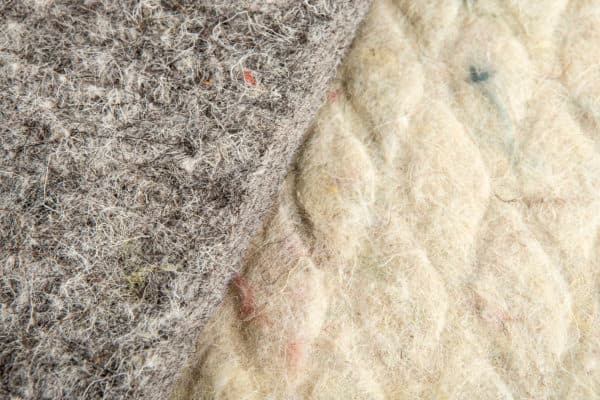
- Recycled & biobased felti-did transforms discarded textiles into high-quality felt for interior and product design. At MaterialDistrict Utrecht, the company presented two new recycled biobased felts: a…
- Gluetex Biovate WallcoveringGluetex biovate is made with cornstarch-based polymers leftover from the potato chips industry. This new biobased wallcovering is self-adhedive and easy to mount, strong and sustainable, light and colourfast, scratch and impact resistant. Furthermore, it is hygienic, and needs low maintenance. Tiles up to 145 cm are printed with the sustainable UV Nordic Swan and even the glue is biobased.
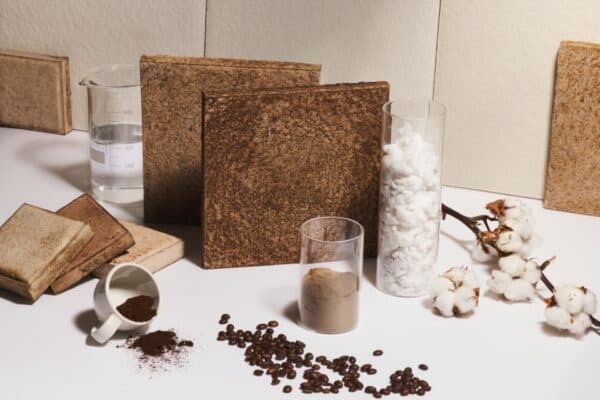
- Biobased Acoustic Materials from Organic ResiduesA series of acoustic tile developments explore the use of plant fibres and organic by-products as primary material components. The tiles are designed for interior applications and combine renewable fibres, residual biomass and mineral additives within composite systems intended to provide sound absorption and structural stability. The versions shown are seaweed and cotton, coffee, coconut fibres, jute, and grape pomace.
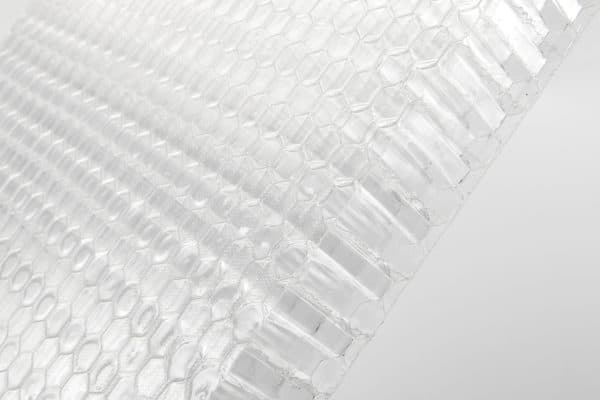
- EconCore 100% bio-basedThis sandwich panel has a core of PLA based hexagonal honeycomb made in a continuous production process. Only moments after the core is produced, skin layers are added in a second step of the continuous production process. These skins can be made from unfilled PLA material to make a mono material panel or, in case a higher performance is required, can be replaced with consolidated flax in a PLA matrix.
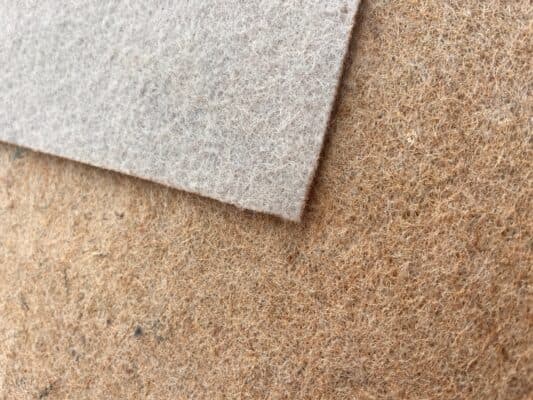
- BestFeltBestFelt is a biobased acoustic panel produced in the Netherlands. The material is designed to provide sound absorption performance comparable to conventional PET felt products while incorporating natural fibres as its primary raw material. BestFelt achieves a sound absorption coefficient of αw = 1.2 when combined with a 40 mm layer of the biobased Silent Paper absorber.
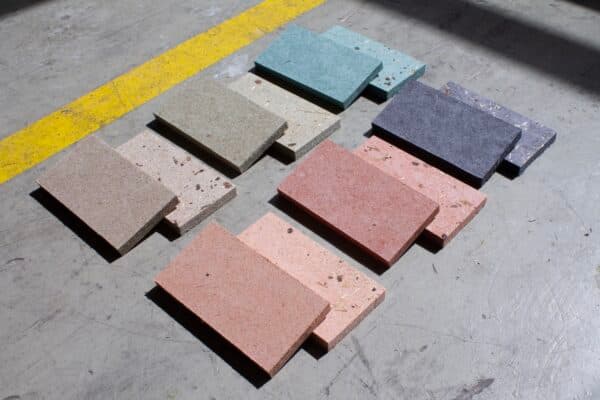
- mogu Floor FlexFrom agro-industrial residues to luxury living environments, Mogu Floor are two collections of biobased resilient tiles and roll for interior design and architecture. The proprietary formulation of the bio-based resin utilised in Mogu Floor products replaces traditional industrial pigments with low-value biomasses, such as corn crops, rice straw, spent coffee grounds, discarded seaweed and clam shells.
- Bio-AmiCoFitexThe Bio-AmiCoFitex coating provides a bio-based anti-bacterial and anti-fungal protection for textile, complying with the criteria of the new biocide regulation that urges manufacturers to apply non-hazardous alternative biocides. The biobased antimicrobials were applied by padding. During padding, a textile is impregnated with additives and a binder via immersion in a solution (often water-based).
- Seagrass baseMetis Seagrass produces rectangular panels using the seagrass Posidonia oceanica and 100% bio-based bonding materials. These panels can be used as wall coverings and due to their natural hue, they are very pleasing to the eye with a strong aesthetic appeal. As the panels are 100% bio-based, they do not produce hazardous fumes in interior spaces.
- FlaxcompositesThese lightweight composites are made of flax and biobased resin. It is partly biobased polyester and full biobased PLA (Polylactic Acid). Flaxcomposites blends PLA natural resin with natural linen (flax) yarns to obtain a meltable flexible thick sheet that can be moulded into various shapes. You simply need a source of heat to put in shape the textile (few minutes with a powerful hair dryer!).
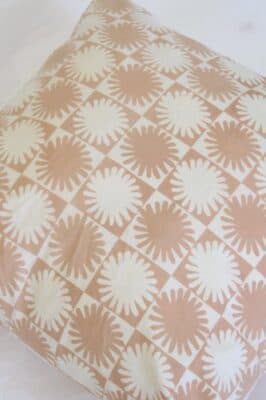
- Avocado Seed Bio-InkThis textile showcases a biobased ink developed from discarded avocado seeds and applied through screen printing on organic cotton fabric. It highlights the potential of waste-derived inks within textile design and production. The colour is extracted from avocado seeds (Persea americana) and combined with biobased binding agents to produce a printable ink.
- CPCs – Cork Polymer CompoundsCork polymer compounds - CPCs are classified as particle-reinforced composites and are an example of the combination of the properties of thermoplastic polymers with the unique advantages of cork. Developed by Amorim Cork Composites’ I.cork factory, CPCs are a range of cork bio composites offering the mouldability of plastics and the lightness and sustainability of cork.
- PomasticThis is a bio-based plastic material is made by using olive pomace and other fully bio-based ingredients. The material design is still in progress. The project team is still working towards improving the functional and mechanical properties of the material as well as its aesthetic qualities such as glossiness, texture and colour. The samples in this exhibition are produced by molding mainly towards generating different patterns.
- Micromoulded biocompositesDesigner Bas Froon developed a micromoulding machine that makes it possible to locally change material qualities from a soft material into a strong and lightweight plastic. By doing this, he can keep the tactile qualities of the raw material, while giving it more strength to be used in furniture, fashion and textile applications. The material consists of natural fibres or recycled textiles and biobased plastic like PLA.
- Touch of NatureTouch of Nature Flooring Systems are seamless flooring solutions for private and institutional projects. They are composed from biobased resins with substantial addition of specific natural fillers. These natural fillers are up-cycled side streams of the agro-industry and EU-sourced. They are responsible for the unique colours, patterns and touch of Touch of Nature Flooring Systems.