Search
72 results for “glass” in materials
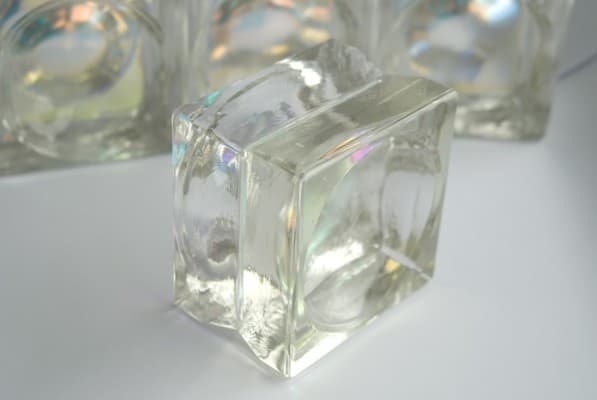
- Glass brick by PoesiaGlass Brick is available in a large choice of colours, special workings and shapes: glass brick or half glass brick, glass’ column in several sizes, glass angle bar, square glass column, glass insert, half glass insert, small glass brick.
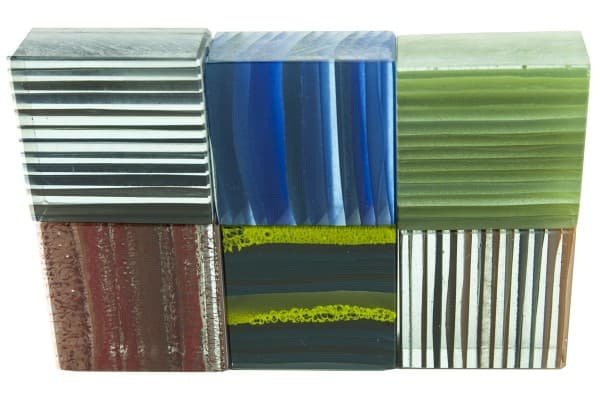
- Architectural Glass SurfacesPatterned glass using post-industrial (2/3) and reclaimed (1/3) glass. It is manufactured by fusing the glass with ceramic stains under intense heat to form flat slabs of glass with a gentle coloured look. No other materials or binders are used in the process. The glass is cooled slowly to an annealed state so that it can be cut and polished to specification. It comes in 30mm thick sheets.
- Glacier and Honeycomb glassKiln-formed glacier and honeycomb glass, with glass stripes preformed and melted in a stove with approx. 900 °C. The first glaze result is smoothed by hand to achieve colour courses and then in the stove fire-polished. The glass is smoothed and brushed with diamond brushes. The honeycomb glass becomes its textures by melting optical glass poles and coloured ARTlSTA® glass.
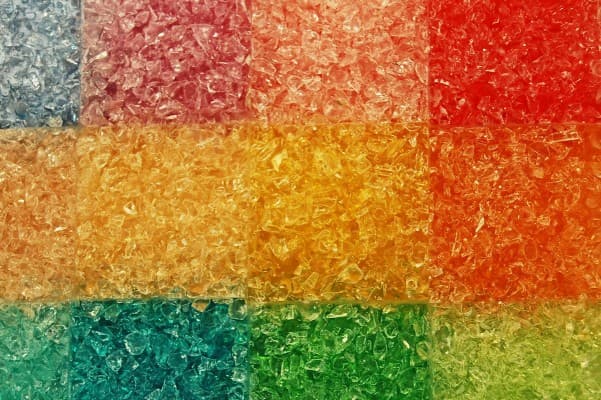
- Colour Chips GlassColour chips glass is made by melting carefully selected glass chips from chunks of glass. In the oven, the glass is melted together, creating a subtle integrated colour effect with a lot of depth, thanks to the thickness of the glass. The glass can be made with all desired colours and chip sizes. The dimensions are 1 by 1 metre.
- 3D Engraved GlassEach design can be engraved in the glass! 3D engraved glass designs are versatile patterns created through sub-surface laser engraving or SSLE process of engraving an image inside the surface of a glass with a good optical clarity to lessen the distortion of the laser beam.
- Glass blockThe glass blocks for the memorial Madrid are made of borosilicate glass and are manufactured in round shapes, convex on the one side, concave on the other. This shape made it possible to bond them together in circular rows of blocks and, thus, create the cylindrical shape of the monument. One block alone weights 8.4 kilograms, measures 200 by 300 millimeters and is 70 millimeters thick.
- Sea GlassSea Glass is a biobased glass developed through an alternative glassmaking process that replaces mined sand with silica naturally produced by microalgae. Instead of extracting a finite geological resource, the material is grown: microalgae are cultivated, they form silica through their natural biological processes, and this biogenic silica is then used for glass production.
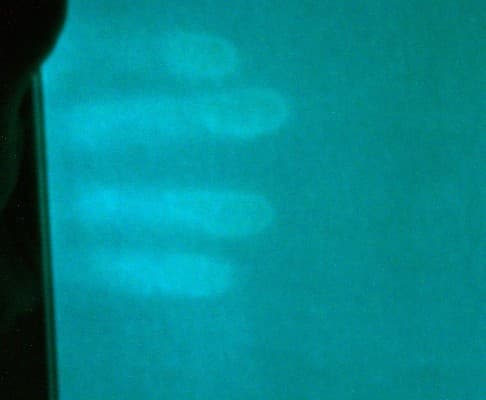
- Luminous GlassThe invention of this material is basically luminous float glass through the usage of luminous pigments. These pigments are silk-screened on the back of the float glass. The photo luminous pigments are loaded by (UV) light. The loaded energy will be emitted in a dark environment.
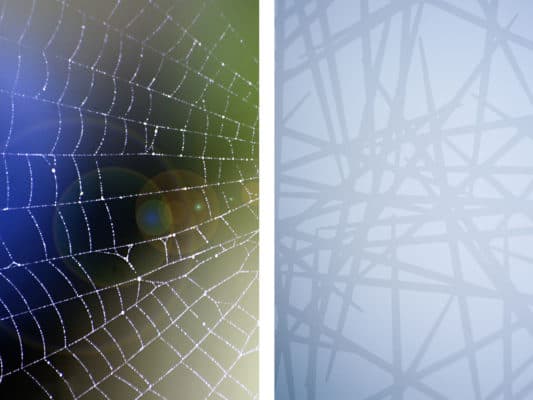
- Ornilux Bird Protection GlassBird window strikes are one of the largest avian fatality threats. To prevent these collisions, with the understanding that birds are able to see light in the ultraviolet spectrum, Arnold Glas has developed Ornilux Bird Protection Glass. The glass has a patterned, UV reflective coating making it visible to birds while remaining virtually transparent to the human eye.
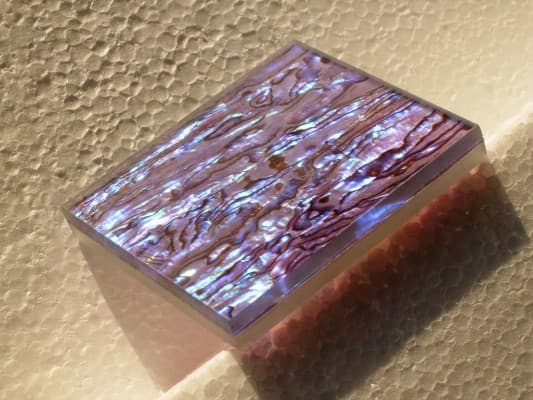
- Glass with ShellsThe Shells collection of glass-inspiration is a totally new product of laminated glass with real shells integrated between two glass panels. The material has a certain translucency which gives a surprising effect when used with backlighting.
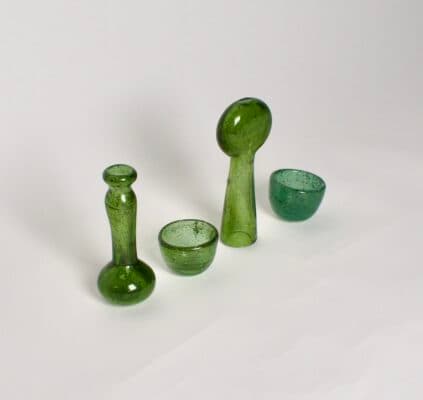
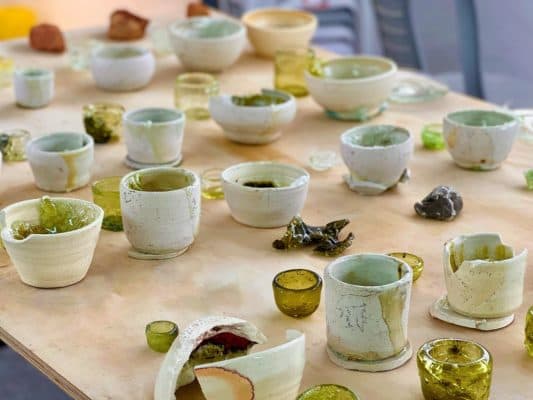
- From Stone to GlassThe From Stone to Glass project is a new innovative technique to colouring glass. The objective is to propose an alternative to the “classical way” of colouration. Actually, the methods to colour the glass are really toxic and not sustainable. The purpose is to create a technique to get a similar result as the classical way, but using sustainable materials. This local glass is sourced from common stone located in Israel.
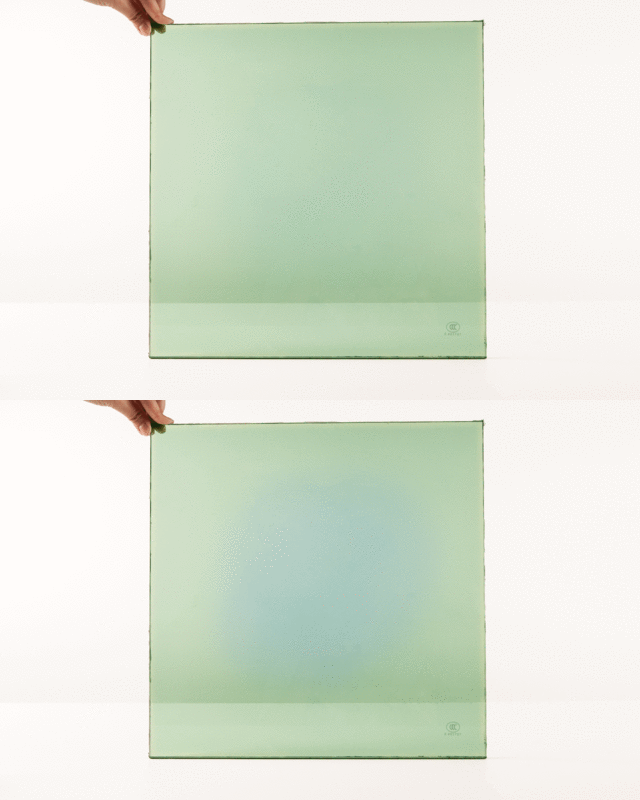
- Thermochromic glass TPGTPG (Thermochromic Photochromic Glass) was prepared by laminating TPI (Thermochromic Photochromic Interlayer) between two pieces of glass. TPG can be made in a similar production process to that of PVB and EVA. In addition as an safety glass as PVB laminated glass, it can adjust light transmittance by colour change dynamically according to the environmental heat and light intensity.
- Visu Glass BlocksVisu Glass Blocks is an innovative architectural glass solution which transmits and reflects brilliant colours. The material incorporates dichroic colour filters which change colour depending on the viewing angle, the position and sort of light source.
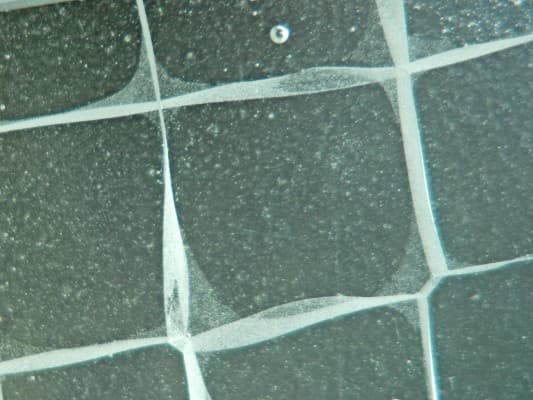
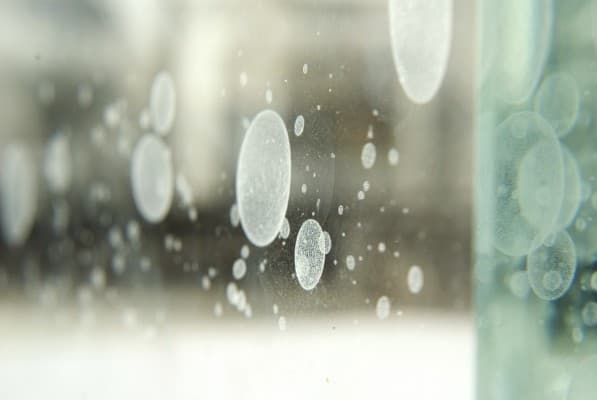
- Vector glassVector Bubble Glass contains grids of tiny bubbles and controlled bubble patterns within the glass. It conjures images of diaphanous circuit boards and translucent plaid. Glass blowing techniques have been modified with digital technology, and relies on incising vector images into the glass.
- Cast GlassCast Glass has the most sparkle of any Architectural Glass. It is easily distinguished because of its High Refraction. It does not have the bluish-green color found in common glass. The Cast Glass is cleaned, cut, drilled and polished during the cold working phase.
- Fused glassFused glass or kiln cast glass is made by melting glass in a kiln at very high temperatures. The colour in the glass can be made by adding various metals or metaloxides.
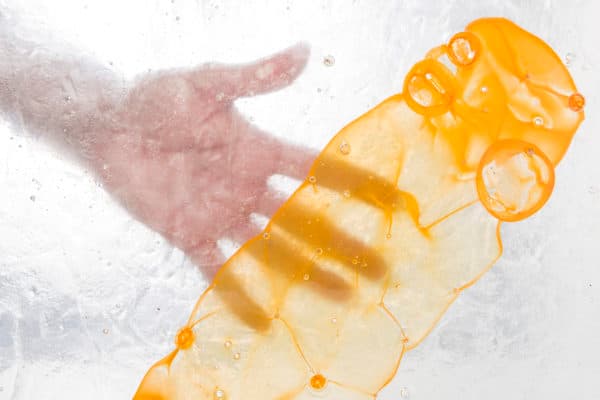
- Intelligent sun shading glassAn intelligent polymer gel film, sandwich-sealed between natural or organic glass panes. The polymer reacts to temperature and becomes transparent during the cold season, to let as much sunlight in as possible. The warmer the glass gets, the more opaque it becomes.
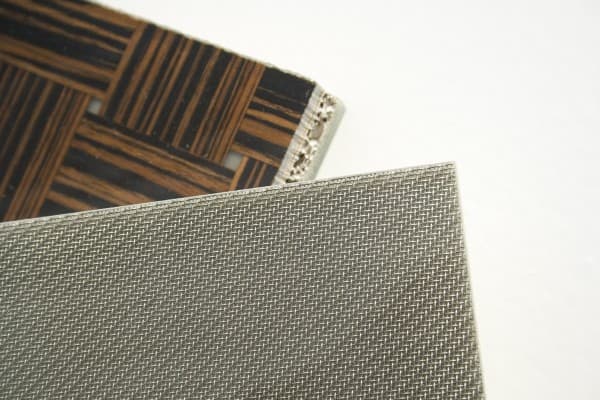
- Deco Wired GlassDeco Wired Glass is glass reinforced with metal wires knitted into decorative patterns. In combination with a shallow relief on the surface of the glass, this produces novel visual textures. The safety aspects are equal to those of conventional wired glass.
- Geocell Glass foamFoamglas thermal insulation is made from cellular glass. Very fine glass granulates are melted at 1200 ˚C. Carbon is added to the liquid glass and this mixture is cooled and divided into blocks, which are then placed in an oven, where a chemical reaction takes place and air in the blocks expands.
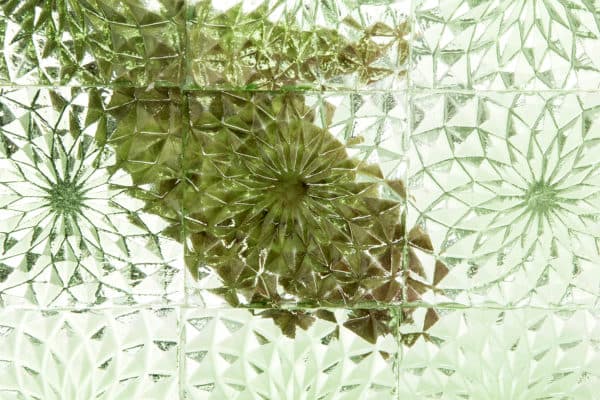
- Pressed Colour GlassPressed colour glass is made by using lightly coloured glass combined with coarse relief on one side, resulting in a surface that creates a dynamic play of light. The surface changes from transparant to deeply coloured, depending on the viewing angle. The glass can be produced with various types of relief and any colour glass. Max. dimensions are 30 by 30 cm, with a thickness between 1 and 3 cm.
- Constructive glassThe brief was to desigin a dwelling for the "city of glass" Leerdam. The architects took this literally and designed the ’Laminata’ dwelling in which glass is removed from its role as a transparant division between inside and outside, becoming the main constructive material.
- Glass ColorsGlass Colors is an agglomerate of glass fragments and colored resin. The surface is treated with a waterproof wax coating that protects the material against stains and allows easy maintenance. The level of liquid absorption is zero.
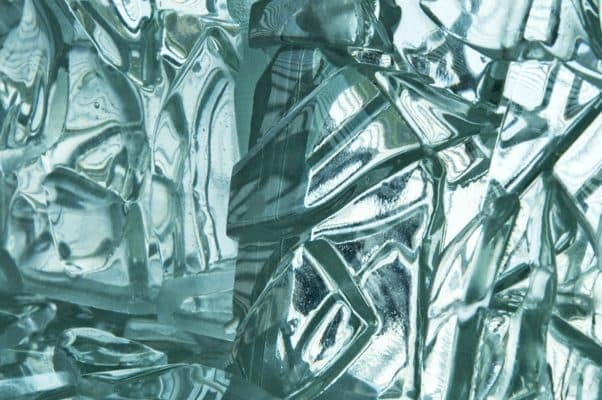
- Crackle glassBy using different fusing & laminating techniques Crackle Glass is created. The glass consists of three layers, is one inch thick, low-iron or mirrored and available in two types of glass sorts: Clear and Low Iron. Available with a frosted effect, and with a wide arrange of finishes and tint options.
- Aluminium Foam Glass SandwichA bonded system glass with alufoam which can be used as a partition wall. One or two-sided inserts, with a glass top layer are laminated on an aluminium foam plate, in the same as for all other glass-inspiration products.