Search
7 results for “yarn” in materials
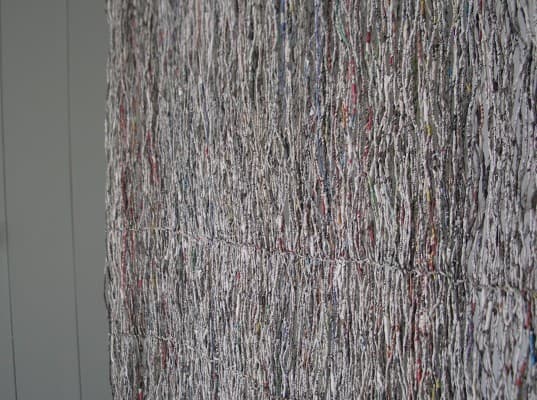
- The YarnThe hand spun yarn is created of old newspapers. After the spinning process the yarn is woven, knitted or knotted by hand (cotton warp). The yarn becomes real strong. It is not washable.
- Woodnotes Paper YarnPaper yarn is a genuinely natural material made from an ecologically produced, renewable natural resource - wood. The strength and durability of paper yarn derive directly from wood fibre.
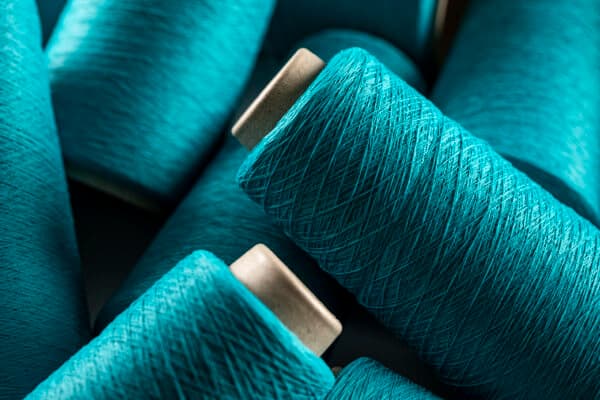
- SEAQUAL® YARNSEAQUAL® YARN is a high quality 100% post-consumer recycled polyester yarn containing Upcycled Marine Plastic from SEAQUAL INITIATIVE. It is almost identical in physical properties to standard recycled polyester and is available in both continuous filament and staple fiber in a variety of sizes and finishes. It contains approximately 10% Upcycled Marine Plastic (from marine litter), the remaining 90% is post-consumer PET from land sources.
- Silicone yarnPisafabric offers a wide range synthetic fabrics with high elasticity and performance that are used in producing fabrics for swimwear, lingerie, activewear, corsetry, linings etc. To ensure that the fabrics stay in place, the fabric has been provided with silicone yarn. All current fabric constructions are covered.
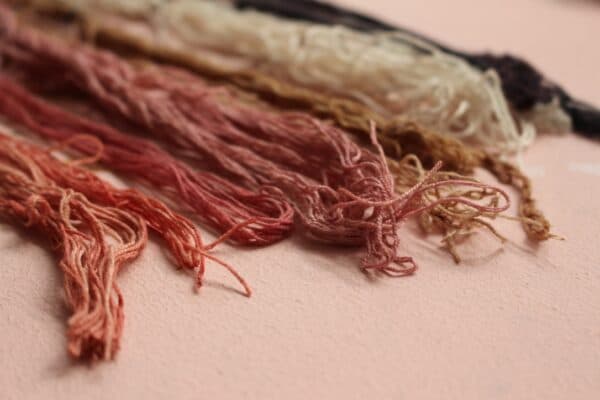
- ALCHIMIA – Natural Yarn dyes on Milk fibreA versatile range of natural dyes developed on milk protein-based yarns in collaboration between designer Shahar Livne and Dyer Roua AlHalabi, made from materials driven from animals such as blood, collagen, and milk, minerals such as hematite and aluminium, plant parts such as oak apple and flowers and roots of the Rubia tinctorum plant; together, the materials create a rich variety of colours through alchemical reactions.
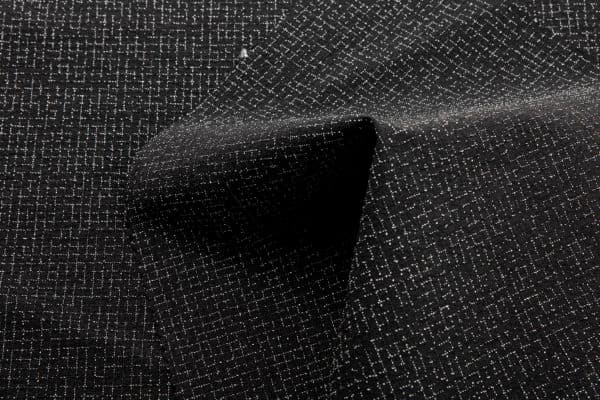
- Spectra yarnThis material is made of 88% nylon, 6% polyethylene and 6% spandex. The Spectra fibre is engineered for its lightweight strength, abrasion resistance, and durability.
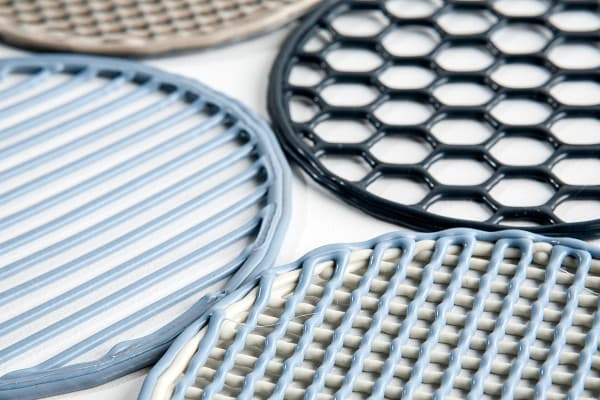
- One Yarn of PlasticTextile bindings form the base for these printed surfaces, which are a strong graphic representation of weaving, knitting or embroidery patterns. The prints grow slowly by each line that is printed. Plott can easily adapt each surface by shape, colour and form. The end result is a series of sheets intended for wall coverings or room-divider screens.